What to Know Before Installing Norweco Singulair Green in Wantage NJ

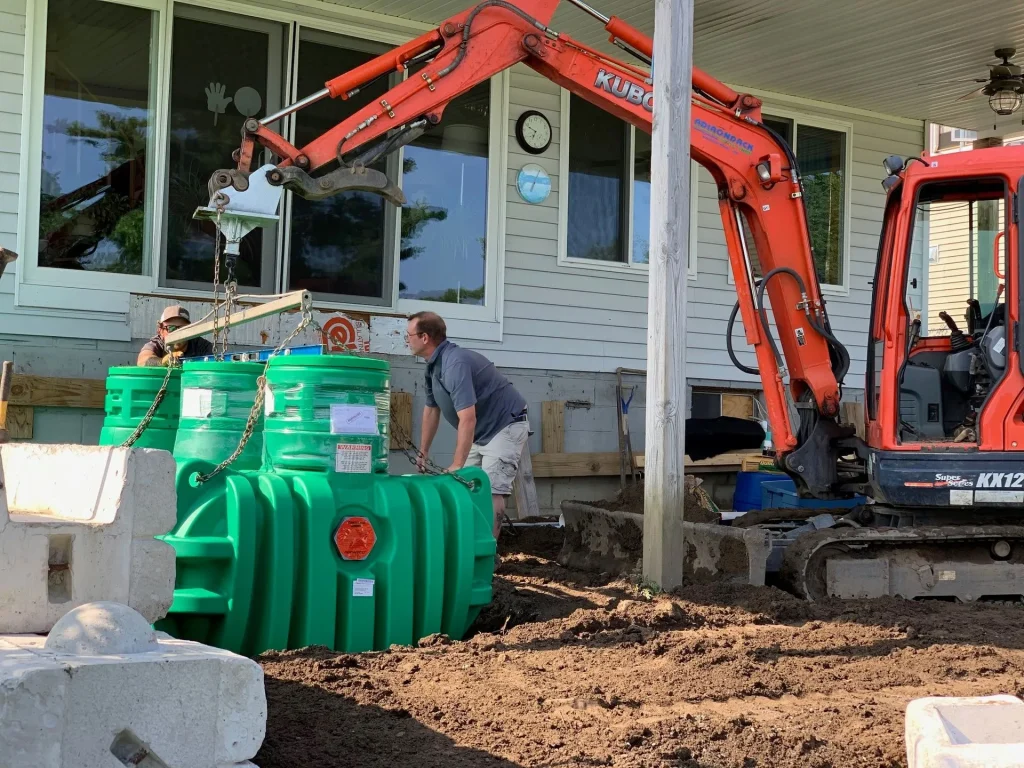

If you are looking at a Norweco Singulair Green system in Wantage, you are already past the first and most important step, realizing that not every property can rely on a simple gravity septic setup. Sussex County has plenty of beautiful rural lots, but it also has the kind of site conditions that force careful planning. You see rolling ground, rocky soils, seasonal groundwater, older homes with undersized systems, and additions that push wastewater design beyond what the original setup was built to handle.
A treatment unit like the Norweco Singulair Green can be a strong fit in that environment, but only when the property, the design, the permitting path, and the long-term maintenance plan all line up. That is the part many homeowners do not hear enough about. The equipment itself is only one piece. The outcome depends just as much on soil testing, local health department requirements, electrical planning, service access, and realistic expectations about upkeep.
In practical terms, people usually start asking about a system like this for one of three reasons. The existing septic has failed or is failing. A building lot cannot support a conventional design without advanced treatment. Or a renovation, bedroom expansion, or year-round occupancy change triggers a system upgrade. In each case, the questions are similar, even when the properties are not. Will it be approved? What will it cost to install? How often does it need service? What happens if the power goes out? And just as important, is it the right system for this specific lot in Wantage NJ?
Why advanced treatment comes up so often in Wantage
Wantage is not unusual for northwestern New Jersey, but that is exactly why advanced systems come up regularly. The township includes older homes on mature lots, newer homes on challenging parcels, and a mix of wooded sites, slopes, and variable drainage patterns. A conventional septic system depends heavily on the soil to finish the treatment process. When the soil is too shallow, too tight, too wet, or constrained by setbacks, the design options narrow quickly.
That is where aerobic treatment units enter the conversation. A Norweco Singulair Green system is designed to treat wastewater to a higher standard before it reaches the dispersal area. For some sites, that extra treatment can help the engineer and the regulator solve a problem that a standard septic tank cannot. It does not mean the property gets a free pass. It means the designer has another tool available.
I have seen homeowners assume that choosing a premium treatment unit automatically makes a difficult lot buildable. It does not work that way. The real sequence runs in the opposite direction. First the site is evaluated. Then the engineer determines what type of system the site can support. Only after that does a specific treatment unit make sense.
What the Norweco Singulair Green actually is
At its core, the Singulair Green is an aerobic wastewater treatment system. Unlike a basic septic tank, which mostly separates solids and begins anaerobic breakdown, an aerobic unit introduces oxygen and supports a more active treatment process. That can improve effluent quality and reduce the pollutant load entering the disposal field or other approved discharge component.
For a homeowner, the important takeaway is not the technical label. It is the practical difference. A conventional septic system is relatively passive. A system like this is mechanical, electrical, and service-dependent. It has internal components that need inspection and upkeep. It relies on power. It usually requires a maintenance relationship, whether because of regulation, warranty, or simple common sense.
That added complexity is neither good nor bad by itself. It is simply part of the deal. On the right property, it can be a very sensible deal. On the wrong property, or in the hands of an owner who expects to ignore it for ten years, it can become a frustrating one.
Start with the lot, not the product brochure
The most useful early conversation is not with someone trying to sell a specific unit. It is with a qualified septic designer, engineer, or local installer who understands Sussex County conditions and the local approval process. Before anyone tells you whether a norweco singulair green Wantage NJ installation is appropriate, they should be asking about your lot, your house, and your goals.
A few site realities often drive the design more than homeowners expect. The depth to limiting zones matters. So does seasonal high water. The available area for disposal matters, especially if a lot has wells, property lines, streams, wetlands, driveways, pools, or future additions that eat into the usable footprint. Even the route for equipment access can affect cost if the installer has to work around mature trees, retaining walls, or tight clearances.
I remember one property where the owner was focused almost entirely on the treatment unit brand. The bigger issue turned out to be the dispersal area location. Between the well setback, a steep rear slope, and a detached garage the prior owner had built too close to the best soil area, the challenge was not “Which advanced unit should we buy?” It was “Is there enough legal, functional space left to build a compliant system at all?” That is a very different conversation, and it needs to happen early.
Soil testing and design work are where the real decision gets made
In New Jersey, septic design is not guesswork, and it should not be treated like a quick home improvement estimate. Soil testing and site evaluation provide the foundation for the system design. The exact methods and approval pathway should be handled by professionals familiar with current local and state requirements, but the homeowner should understand what this stage accomplishes.
The testing helps establish whether the site can absorb and treat wastewater effectively, and under what design conditions. That affects whether an advanced treatment unit is necessary, whether it is merely helpful, or whether another approach makes more sense. It also influences sizing. Bedrooms, fixture counts, occupancy assumptions, and any planned addition or accessory dwelling use can affect design flow.
One mistake homeowners make is trying to save money by designing only for the house as it exists today, when they already know they plan to finish the basement, add a bedroom, or convert a seasonal home to full-time use. Redesigning and rebuilding later usually costs much more than planning correctly the first time.
Permitting in Wantage is not the place to improvise
A septic installation is not just a construction project. It is also an approval process. Health department oversight, engineering review, and inspections are part of the landscape. Requirements can change over time, and details matter, so it is unwise to rely on what a neighbor installed years ago or what worked in another township.
For homeowners, the cleanest path is usually to assemble the right team early. That often includes a septic engineer or designer, an installer experienced with advanced treatment systems, and the service provider who may be maintaining norweco singulair green Wantage NJ the unit after startup. When those people communicate well, permit comments get addressed faster and field adjustments are less likely to create delays.
If you are comparing bids, ask each contractor exactly what is included. Some proposals cover only excavation and tank setting, while design fees, permits, electrical work, control panels, risers, alarms, startup service, restoration, and long-term maintenance are treated separately. A cheaper number on paper can stop looking cheap very quickly once those exclusions show up.
The costs are broader than the tank price
Homeowners naturally ask what a Norweco Singulair Green costs, but the better question is what the full project costs. The treatment unit is only one line item. Excavation conditions, imported fill, pump requirements, electrical trenching, traffic-rated components, site restoration, engineering, and local approval fees can all have a meaningful impact on the final number.
In Wantage, one major swing factor is how easy the site is to work on. A flat open yard with decent access is one thing. A wooded slope with shallow rock and limited machine room is another. Weather can also complicate schedules and soil handling. A job that looks straightforward in late summer can become messy and expensive if heavy rains turn the work area into a soft, restricted site.
That is why rough budget ranges should always be treated as just that, rough. A responsible contractor will hesitate to give a firm price before the design is complete and the field conditions are understood. That hesitation is usually a sign of professionalism, not evasiveness.
Power, alarms, and maintenance are part of ownership
A Singulair Green system is not a bury-it-and-forget-it setup. It depends on electricity and mechanical function. That means you need to think like the owner of a small piece of treatment infrastructure, not just a buried tank.
If power goes out for a short period, the system may tolerate it better than homeowners fear, but repeated or prolonged outages are not something to ignore. In a rural area where storms can knock service offline, ask your installer what short-term interruptions mean for operation and what warning devices are provided. High water alarms, aeration alarms, and control panel notifications exist for a reason. You want to know what each one means before it sounds at 2 a.m. During a January storm.
Maintenance is also not optional in any practical sense. These units perform best when inspected and serviced on a regular schedule. Components wear. Air delivery can decline. Solids need to be managed. Filters or ancillary parts may need cleaning or replacement. A homeowner who stays ahead of maintenance usually experiences the system as reliable. A homeowner who ignores it until there is an odor, alarm, or backup usually pays more and worries more.
Here are the questions worth asking before you sign a contract:
- Who will provide ongoing service, and how often will the system be inspected?
- What alarms or controls are included, and what should I do if one activates?
- How often will the unit need pumping under normal household use?
- What electrical work is required, and who is responsible for it?
- Which costs are excluded from the installation quote?
Those five questions reveal a lot. They tell you whether the contractor is organized, whether they support the system after the sale, and whether the proposal reflects the real scope of the job.
Household habits matter more with advanced systems
Every septic system responds to how the house is used, but advanced treatment systems can be less forgiving of neglect and misuse because owners assume the technology will compensate for bad habits. It will not.
Water loading is a common issue. If a family goes from weekend use to full-time occupancy, hosts guests every weekend, adds a large soaking tub, and runs back-to-back laundry loads, the system sees all of it. So do leaks. A toilet flapper that quietly runs for weeks can overload a dispersal area and make a healthy system look defective.
What goes down the drain matters too. Wipes, grease, harsh chemicals, and non-biodegradable solids are perennial problems. Even products labeled flushable can create trouble. A treatment unit can improve wastewater quality, but it is not a magic grinder for whatever the household wants to discard.
I have also seen service calls triggered by something as simple as a new homeowner not knowing where the risers were buried after landscaping. The unit needed routine attention, but the lids had been covered with decorative stone and a heavy planter. Small decisions like that make future service harder and more expensive.
Installation quality often matters more than brand debates
Homeowners can spend weeks comparing brands and still miss the issue that matters most in the field, workmanship. A well-designed, properly installed advanced treatment system from a reputable manufacturer usually beats a poorly installed “better” system every time.
Tank elevation, pipe slope, watertight connections, proper bedding, control setup, accessible risers, protected wiring, and careful startup all affect performance. So does the quality of the disposal field construction. Smearing soils during wet conditions, damaging components with heavy equipment, or skipping fine details because the crew is rushing can shorten the life of the entire project.
That is why references are so useful. Ask about installations that have been operating for a few years, not just the one completed last month. A contractor can make any project look tidy on handoff day. The better question is how their systems are performing after several winters, heavy rains, and normal household use.
Repairs, service access, and future resale
Most homeowners focus on getting through installation and then stop thinking long term. It helps to look ahead. If a blower, pump, control component, or internal part needs service five years from now, how easy will it be to reach? Are the risers at grade? Is the area clear enough for routine pumping? Can a service technician work without dismantling a patio, fence, or elaborate landscape bed?
These details affect resale as well. Buyers may not know much about septic systems, but they do react to evidence that a property has been cared for. A documented service history, clear as-built plans, accessible lids, and a straightforward explanation of maintenance can reduce anxiety during a sale. On the other hand, if no one can explain the system, alarms are ignored, and records are missing, buyers and their inspectors tend to assume the worst.
For a house with a norweco singulair green Wantage NJ system, keep a simple folder with permits, the approved design, installer contact information, service reports, pumping receipts, and any warranty materials. That folder is far more useful than most people realize.
Weather, winters, and real life in Sussex County
Northern New Jersey winters are not brutal every year, but they are enough to matter. Frost, snow cover, spring thaw, and shoulder-season rains all influence septic work and septic performance. This is another reason local experience counts.
Installers who know the area understand when soils are workable, how surface drainage behaves on local lots, and where winter access can become a problem. They also know that homeowners sometimes create issues after the install by plowing snow aggressively over sensitive areas, parking heavy vehicles where they should not, or changing grading in ways that redirect runoff toward system components.
The treatment unit itself needs the system to be finished and protected properly. Exposed lids, poorly sealed access points, and neglected grading can all create preventable service headaches. The good news is that these are manageable issues when the system is designed and installed with the site in mind.
When this system makes sense, and when it may not
A Norweco Singulair Green can be a good solution when a property needs higher treatment performance than a conventional septic tank can provide, especially where local approvals, difficult soils, or site constraints make advanced treatment part of the answer. It can also make sense for replacement situations where the lot leaves few practical alternatives.
It may be less attractive for homeowners who want the lowest-maintenance system possible and have a site that can fully support a conventional design. If a standard septic system is feasible, compliant, and cost-effective, some owners prefer its simplicity. Others are comfortable trading simplicity for flexibility or improved treatment performance. Neither instinct is wrong. The point is to match the system to the property and the owner.
A practical way to think about the trade-off is this:
| Factor | Conventional septic | Norweco Singulair Green | | --- | --- | --- | | Treatment level | Basic primary treatment before soil dispersal | Higher treatment through aerobic process | | Mechanical complexity | Low | Moderate to high | | Power requirement | Often none, unless pumps are used | Yes | | Service needs | Lower, but not zero | Regular professional maintenance | | Best fit | Lots with favorable soils and room | Challenging sites or designs needing advanced treatment |
That table is not a verdict. It is a framing tool. The right choice depends on whether your lot requires advanced treatment and whether you are prepared to own a system that needs active care.
Choosing the right contractor in Wantage
The contractor is not just installing equipment. They are translating a design into a functioning wastewater system on a specific piece of ground. That takes judgment. Local knowledge matters. So does experience with the exact treatment unit being proposed.
Look for someone who can explain the job clearly without overselling it. A good installer will talk openly about access, site restoration, electrical coordination, startup, service intervals, and possible complications. They will not promise that every hard part will somehow disappear once the excavator shows up.
You want a contractor who is comfortable saying, “We need to verify that before I answer.” That is often the person who keeps you out of trouble later.
The smartest first step
If you are seriously considering a norweco singulair green Wantage NJ installation, the smartest first move is to get the site evaluated by a qualified local professional before getting attached to any one product or price. Let the lot determine the design. Let the design determine the system. Then compare installers based on experience, scope clarity, service support, and the quality of their past work.
That sequence saves money, but more important, it saves false starts. Septic projects go best when they are grounded in the realities of the land, the house, and the regulations. Once those pieces are understood, a system like the Norweco Singulair Green can be a practical, durable answer for the right Wantage property. The homeowners who end up happiest with it are usually the ones who went in with open eyes, realistic expectations, and a strong local team.
Excavating New Jersey LLC
406 County Rd 565
Wantage, NJ 07461, United States
Phone: +1 (973) 791-4284
FAQ About norweco singulair green Wantage NJ
How does a Norweco septic system work?
Singulair Green uses aerobic biological treatment in a polyethylene tank, followed by settling and filtration. The treatment unit is one part of a complete wastewater system; the site design also determines how treated effluent is dispersed.
How much does a Norweco septic system cost in NJ?
A useful estimate requires a property evaluation. Excavation access, soil conditions, engineering, electrical work, the disposal field, and restoration can affect the total. Ask Excavating New Jersey LLC for a written scope that distinguishes installation costs from ongoing service costs.
Are Norweco septic systems good?
Singulair Green is an established aerobic treatment option, but suitability depends on the property and proposed design. Compare the model's documented performance, maintenance needs, and total project scope with alternatives before deciding.