What Makes High-Quality Septic Services Worth It


Most property owners do not think much about their septic system until something goes wrong. The trouble is that when it does go wrong, it rarely stays small. A slow drain can turn into a sewage backup. A missed pumping schedule can lead to solids pushing into the drain field. A cracked lid, a damaged baffle, or a careless excavation near the tank can create problems that cost far more than routine care ever would.
That is why high-quality septic services are worth discussing in practical terms, not just as a line item on a maintenance budget. Good service protects the system itself, the property around it, the health of the people using it, and the resale value of the home or building. Poor service, on the other hand, often hides behind low pricing and quick appointments until the real bill shows up later.
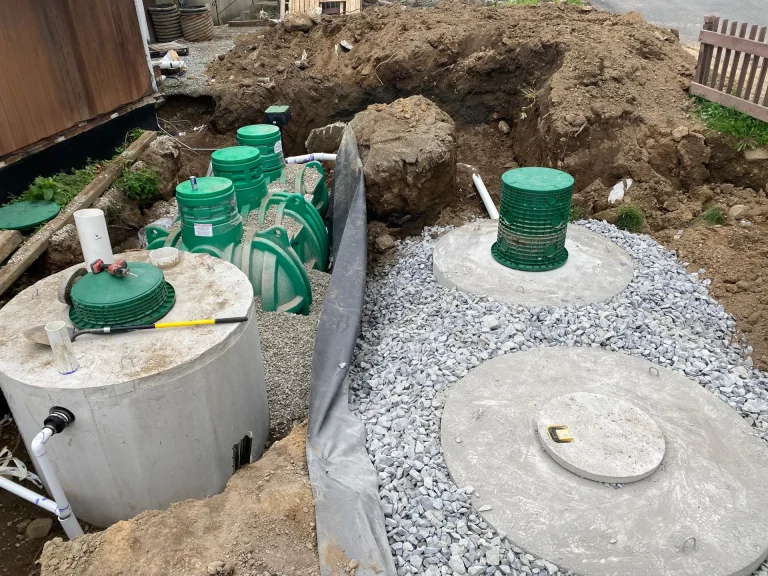
People who have lived with septic systems for years tend to recognize this difference quickly. They know that a trustworthy technician does more than pump a tank and drive away. The best providers inspect, explain, document, and spot issues before they become emergencies. They understand soils, usage patterns, local regulations, and the odd details that separate one property from the next. That level of care is what makes quality worth paying for.
A septic system is simple, but not forgiving
At a glance, a septic system seems straightforward. Wastewater leaves the house, enters the tank, separates into layers, and then flows out to the drain field for treatment in the soil. The simplicity is deceptive. Each part depends on the others working within a narrow margin.
When a tank is pumped at the right interval, solids stay where they belong until they are removed. When filters and baffles are intact, they help keep solids from migrating downstream. When the drain field receives properly clarified effluent at a manageable volume, the soil can continue doing its job. The system can run for decades under those conditions.
What makes septic systems unforgiving is that neglect tends to compound. A homeowner delays pumping for a year or two because everything still seems fine. Solids rise. Flow quality declines. The outlet side starts carrying material it should not. By the time toilets begin bubbling or wet spots appear outdoors, the problem may no longer be confined to the tank. Now the owner is not paying for maintenance. They are paying for diagnosis, repairs, cleanup, and in the worst cases, partial or full system replacement.
High-quality septic services help interrupt that chain early. They reduce uncertainty. They put eyes on components most owners never see. They replace guesswork with a schedule and a record.
The cheapest visit is often the most expensive one
Price matters. Nobody wants to overpay for any home service. But septic work is one of those trades where a low number can hide shortcuts that are hard for a customer to detect in the moment.
A cut-rate pumping job may mean the tank was not fully cleaned. It may mean the crew did not check both compartments on a two-compartment tank. It may mean the provider skipped measuring sludge and scum levels, never inspected the inlet and outlet baffles, or failed to note that an effluent filter was clogged or missing. It may even mean the crew left without documenting the tank’s condition, liquid level, or access points. The service happened, technically, but the value was thin.
By contrast, better septic services usually have a method. The crew locates and opens the tank carefully. They observe the liquid level before pumping because that can indicate whether wastewater is backing up or leaking out. They check structural condition, lids, tees, and filters. They note signs of drain field stress. If there is a concern, they explain it clearly, without rushing into scare tactics.
That difference matters because septic systems fail gradually, then suddenly. A homeowner who spends a few hundred dollars less on a bare-bones visit may lose thousands later because nobody caught a failing baffle or warning signs in the field line. The low quote feels good for a day. The consequences can linger for years.
Experience shows up in the details
The mark of seasoned septic professionals is not dramatic language or shiny marketing. It is the quality of their observations. Experienced technicians know that small details often tell the real story.
A high liquid level in the tank can point to a downstream issue, but only in context. If the home has been using heavy water that day, the reading may not mean much by itself. If the level is persistently high and the drains are slow, that is different. A crust pattern, unusual odor, grease load, excessive lint, or a damaged outlet tee each adds another clue. A good technician reads these signs like a mechanic reads engine wear.
They also ask practical questions. How many people live in the home now compared with when the system was installed? Has there been a recent remodel? Is there a garbage disposal adding solids? Has anyone driven equipment over the drain field? Were there long periods of vacancy followed by full occupancy? Has roof drainage or surface runoff been directed toward the field? Those questions are not small talk. They shape the service plan.
I have seen properties where the septic system itself was sound, but the real problem came from daily habits. A vacation rental that sleeps ten people but was designed decades ago for a small family will have different stress patterns than a year-round residence. A household that does frequent laundry over two days may overload the system in bursts, even if total weekly water use is not extreme. Quality septic services account for those realities instead of treating every tank as interchangeable.
Good providers protect more than the tank
A septic system sits at the intersection of plumbing, soil, groundwater, landscaping, and public health. That is one reason poor work can create such wide damage.
If pumping is sloppy, the yard can be torn up unnecessarily. If access lids are replaced poorly, they can become safety hazards. If a contractor uses heavy machinery without regard for the drain field area, the compaction can reduce soil performance. If diagnosis is rushed, someone may recommend an expensive replacement when the real issue is a blocked line, a crushed pipe, or a filter that simply needs attention.
High-quality septic services reduce collateral damage. They work carefully around the site. They know the difference between a symptom and a root cause. They document where components are located so the owner is not forced to rediscover the system during the next service call. They can also coordinate with plumbers, excavators, or inspectors when the issue crosses into another trade.
That broader perspective is especially valuable during real estate transactions. Septic inspections can become contentious because buyers fear hidden costs and sellers fear exaggerated findings. An experienced provider with a reputation for thorough, balanced work can make the process far smoother. Clear records, honest reporting, and practical recommendations help both sides understand whether the system needs routine service, near-term repairs, or major investment.
Maintenance is not just pumping
One of the most common misunderstandings about septic care is the idea that pumping alone equals maintenance. Pumping is essential, but it is only one part of keeping the system healthy.
A quality service visit should connect the visible condition of the tank to the broader performance of the system. If the sludge level is rising faster than expected, the household may need a different pumping interval. If the effluent filter clogs repeatedly, water use patterns or solids loading may need review. If the outlet area shows signs of distress, further evaluation may be needed before the drain field suffers lasting damage.
This is also where good communication matters. Homeowners are more likely to follow recommendations when they understand the reason behind them. Telling someone to pump every three years is less effective than explaining that their tank size, occupancy level, and water use suggest that waiting five years would risk solids carryover. People do not need a lecture. They need context.
The best septic services give that context in plain language. They explain what is normal, what is concerning, and what should be monitored. They do not turn every minor issue into a crisis. Just as important, they do not shrug off warning signs that deserve follow-up.
What quality looks like during a service call
A customer can usually tell within the first few minutes whether a provider treats septic work as a skilled trade or just a volume business. The difference appears in the process.
A high-quality team tends to arrive prepared, confirm the scope of work, and protect the property as they access the system. They do not guess where the tank is if records are available, and they do not treat tank lids or risers carelessly. Once the tank is open, they observe before they act. That brief look at liquid level and condition can be more informative than many owners realize.
After pumping, they inspect what can actually be inspected. They should be able to discuss the tank’s general condition, the status of tees or baffles, whether a filter was cleaned or needs replacement, and whether the contents or level suggest additional issues. When appropriate, they provide photos or written notes. Those records become valuable over time because septic health is often about patterns, not single moments.
The strongest providers also know the limits of what can be determined during one visit. If a drain field issue is suspected, they say so and recommend the right next step, whether that means further hydraulic testing, line inspection, or evaluation by a specialist. That restraint is part of professional judgment. It builds trust because it avoids both overselling and false reassurance.
Warning signs that deserve a better level of service
Sometimes homeowners call for septic services only after several hints have been ignored. Not every sign means disaster, but several should prompt timely attention.
- Drains that gurgle, slow down, or back up in more than one fixture
- Sewage odors near the tank, plumbing, or drain field area
- Standing water or persistently soggy ground above the field
- Unusually lush grass in a defined area, especially during dry periods
- Frequent need to reset expectations after a recent pumping, because symptoms return quickly
A weak provider may address these signs narrowly, treating each as an isolated complaint. A strong provider looks for relationships between them. If the tank was pumped recently but wastewater still backs up, the issue may lie beyond tank capacity. If odors appear only during wet weather, drainage conditions and groundwater movement may be involved. If grass over the field stays greener than surrounding areas, effluent distribution or surfacing may be part of the story.
That diagnostic mindset is worth paying for because septic problems do not improve through optimism. They improve through accurate assessment.
The drain field is where quality really pays off
Tanks get most of the attention because they are the serviceable, visible part of the system. The drain field is different. It is quieter, harder to inspect directly, and far more expensive to replace. Once a field is seriously damaged, options become limited and costly.
That is why high-quality septic services matter so much upstream. Protecting the field starts with keeping solids out of it. It also means watching for hydraulic overload, surface compaction, root intrusion, and poor grading. A skilled provider understands that the field is not just a patch of yard. It is the part of the system that often determines whether a repair stays manageable or turns into a major capital project.
There are properties where a failing field cannot be saved. Age, soil conditions, and long-term neglect eventually win. But there are many more where timely maintenance and informed service extend field life significantly. Catching a compromised outlet tee before solids migrate, adjusting pumping frequency for heavier occupancy, and correcting drainage around the site are not glamorous tasks. They are exactly the sort of practical interventions that preserve expensive infrastructure.
For homeowners planning to stay put for years, this matters even more. A well-maintained septic system may not add visible luxury to a property, but a failed one can derail refinancing, sales, additions, and insurance discussions. Quiet reliability has real value.
Professional septic services also save time and stress
There is another cost people tend to overlook, and that is disruption. Septic failures rarely happen on a calm schedule. They tend to surface before holiday gatherings, during heavy rainfall, before a home closing, or after a household has already stretched its budget elsewhere.
Emergency calls are more expensive for obvious reasons, but the stress carries its own price. Families may lose use of bathrooms or laundry. Businesses and rentals can face interruptions that affect income. Cleanup can involve flooring, drywall, insulation, and contents if sewage enters the structure. Even when insurance is involved, the process is unpleasant and time-consuming.
Reliable septic services reduce the odds of that chaos. They help property owners move from reactive to planned care. A scheduled pumping with inspection is easier to budget for than a weekend backup and a muddy excavation. More important, it is easier to live with.
I have heard many owners say some version of the same thing after dealing with a serious septic issue: they wish they had taken the system more seriously when the costs were still modest. That regret is common because septic systems operate out of sight. Quality service brings them back into view before trouble forces the issue.
The best companies educate without talking down to customers
Technical skill matters, but so does communication style. Septic systems make many homeowners uneasy because the subject feels opaque. Some providers take advantage of that by speaking in vague warnings or using fear to justify expensive recommendations. Others go too far the other way and brush off legitimate concerns.
The best septic services do neither. They explain enough for the customer to make informed choices. They translate conditions into practical meaning. A cracked riser lid is not just a defect, it is a safety and infiltration concern. A clogged effluent filter is not merely dirty, it may explain why the home is draining slowly. A recommendation to spread laundry loads through the week is not random advice, it is a way to reduce hydraulic stress.
That kind of communication often shapes long-term outcomes. Customers who understand their system tend to make better decisions about water use, maintenance intervals, landscaping, and future improvements. They are also more likely to keep records and call before a minor issue becomes a large one.
How to judge whether a provider is worth the higher price
Choosing among septic services can be difficult because homeowners often compare quotes without seeing what is omitted. A higher price does not automatically mean better work, but there are sensible ways to evaluate value.
- Ask what the visit includes beyond pumping, such as filter cleaning, component inspection, and written documentation
- Find out whether the company is familiar with local system types, permitting expectations, and soil conditions
- Notice whether they answer questions directly, without pressure or evasiveness
- Ask how they handle suspected drain field problems and what diagnostic steps come before replacement recommendations
- Look for a track record of reliability, not just a one-time low quote
This is not about chasing perfection. Every provider has scheduling limits, occasional delays, and jobs that turn out more complicated than expected. What matters is whether the company works methodically, communicates clearly, and respects the system enough to treat it as more than a pump-and-go transaction.
The long view is where the value becomes obvious
Septic work can feel expensive because the best outcome is often invisible. Nothing dramatic happens. The toilets flush. The yard stays dry. The drains behave normally. There is no obvious reward to photograph or show guests. That can make preventive service seem less satisfying than visible home upgrades.
Yet from a property management standpoint, that quiet stability is exactly the reward. A septic system that receives capable, consistent care is less likely to spring unpleasant surprises. Its maintenance history is clearer. Its risks are easier to manage. Its service decisions are based on observation rather than panic.
Over ten or twenty years, the math usually favors quality. Spending a bit more for competent septic services, accurate diagnosis, and practical guidance can help avoid premature field failure, unnecessary excavation, emergency premiums, cleanup costs, and avoidable disruptions to daily life. Even when repairs are eventually needed, an owner who has good records and a trustworthy provider https://spencerqdba543.brightsora.com/posts/how-professional-septic-services-protect-your-property-value is in a much stronger position than someone starting from confusion during a backup.
High-quality septic services are worth it for the same reason good foundation work, roofing, or electrical work is worth it. These are not cosmetic systems. They are structural to how a property functions. When the work is done well, the owner buys more than labor. They buy foresight, protection, and confidence that one of the least glamorous parts of the property is being handled with real professional care.
Excavating New Jersey LLC
Address: 406 County Rd 565, Wantage, NJ 07461
Phone number: +19737914284
FAQ About Septic Services
What is the average cost to get a septic tank emptied?
Emptying a septic tank costs between $290 and $560 on average, with most homeowners paying about $420. Prices vary based on tank size.
What is septic service?
Septic service inspects, pumps, cleans, and maintains a septic tank. A septic tank is a large, underground container that collects and treats wastewater from your home. Over time, sludge, scum, and other debris, like hair and solids, can build up in your tank and clog your drain field.
How often should you have a septic tank serviced?
A standard septic tank should be inspected every 1 to 3 years and pumped every 3 to 5 years. However, the exact schedule depends on your tank's capacity, household size, and daily water usage.