The Role of Septic Services in Preventing Costly Repairs
A septic system usually stays out of sight and out of mind until something goes wrong. That quiet reliability is exactly why many homeowners underestimate it. Unlike a roof leak or a cracked driveway, septic trouble tends to build below ground. By the time there is a foul odor in the yard, a sluggish drain in the house, or wet soil near the tank, the problem has often been developing for months or years.
That delay is what makes regular septic services so valuable. They are not simply about pumping a tank on a schedule. Good service is preventive maintenance, early diagnosis, and risk management for one of the most expensive systems on a property. A well-maintained septic system can run dependably for decades. A neglected one can fail in ways that damage the home, contaminate the yard, and lead to repairs that cost far more than routine care ever would.
Anyone who has dealt with a septic backup in a bathroom, a failed drain field, or an emergency excavation after heavy rain learns the same lesson quickly. The money is rarely lost in one dramatic moment. It is lost in years of missed maintenance, overlooked warning signs, and small issues that were allowed to grow into major repairs.
Why septic problems get expensive so fast
Septic systems are simple in principle, but they work in a delicate balance. Wastewater leaves the home and flows into the septic tank, where solids settle and lighter materials rise. The partially clarified water then moves out to the drain field, where the soil finishes the treatment process. If any part of that chain is disrupted, the whole system starts to suffer.
The expensive part is not just the equipment. It is the chain reaction. A tank that is not pumped often enough allows solids to build up. Those solids can move into the outlet line and then into the drain field. Once the drain field begins to clog, repair costs rise sharply. Pumping a tank is routine. Replacing a failed drain field is a different category of expense altogether, often running into the thousands or even tens of thousands depending on soil conditions, site access, permits, and local regulations.
There is also the hidden cost of emergency timing. Septic failures rarely happen at a convenient moment. They happen during holiday visits, in the middle of a wet season, or when a home is being prepared for sale. Emergency callouts, rushed excavation, temporary accommodations, and cleanup costs can turn a manageable problem into a budget shock.
In practice, the line between affordable maintenance and major repair is often crossed quietly. A filter that was never cleaned, a minor baffle issue that went unnoticed, or a tank pumped a year or two too late can push the system toward failure without much drama at first.
What septic services actually do
People often use the term septic services to mean tank pumping, but a proper service appointment covers more ground than that. A thorough technician is not just removing waste. They are evaluating the health of the entire system.
During routine service, a professional typically checks sludge and scum levels, inspects the condition of the tank, confirms that inlet and outlet components are functioning properly, and looks for signs of leakage, corrosion, or root intrusion. If the system has an effluent filter, that should be cleaned and inspected. If there are signs of hydraulic overload, the technician may ask about water usage patterns in the home. If the drain field area is wet, odorous, or unusually green, that matters too.
This kind of visit provides something homeowners rarely get on their own, which is context. A skilled technician has seen hundreds or thousands of systems. They know the difference between normal wear and an early warning sign. They can often spot a developing issue before it becomes visible to the homeowner.
That expertise matters because septic systems do not fail from one cause alone. They fail from combinations of stress. Heavy water use, poor pumping intervals, nonflushable items, grease, aging components, and soil conditions can all contribute. Septic services help identify which stressors are in play on a given property.
The cost gap between maintenance and repair
One of the clearest arguments for regular service is the difference in cost between preventive care and structural repair. Prices vary by region, tank size, and accessibility, so it is better to think in ranges than exact figures. In many areas, routine pumping and inspection might cost a few hundred dollars every three to five years. By contrast, replacing a damaged line, repairing a collapsed baffle, or rehabilitating a drain field can climb into the several-thousand-dollar range. Full system replacement often goes much higher.
The gap gets wider when secondary damage is involved. A sewage backup can ruin flooring, drywall, cabinetry, and personal belongings. If wastewater surfaces in the yard, remediation may involve grading, reseeding, and sanitation work. If local authorities require corrective action before a property transfer, the timeline can become more expensive than the repair itself.
There is also the financing reality. Preventive maintenance is usually planned. Major septic repair is usually unplanned. That difference affects how people experience the cost. A homeowner can budget for routine septic services. Few people have cash set aside for emergency excavation and replacement lines after a holiday weekend storm.
I have seen cases where homeowners delayed a service visit to save a few hundred dollars, only to face a repair bill that was twenty times that amount. Not every neglected tank ends in disaster, but enough do that the pattern is hard to ignore.
How routine pumping prevents structural damage
Pumping is often treated as a housekeeping chore, but its purpose is mechanical as much as sanitary. Solids accumulate in every tank. If they are not removed at appropriate intervals, they reduce the tank's effective capacity. That means wastewater has less time to separate properly. Once retention time drops, more suspended solids can flow out toward the drain field.
That movement is where the real damage begins. Drain fields rely on unsaturated soil and a biological treatment layer that must remain balanced. Excess solids can clog the surrounding soil and create a biomat that is too dense for proper percolation. When that happens, effluent backs up, the field saturates, and the system loses its ability to disperse water.
A homeowner may first notice this as slow drains or gurgling plumbing. Then a soggy patch develops outside. After that, the system may fail entirely during a period of high use. At that stage, pumping the tank alone will not solve the issue. The field itself may be compromised.
Regular pumping protects more than the tank. It protects the downstream components that are far harder and costlier to repair.
Inspections catch the small failures that become big ones
Some of the most expensive septic repairs begin with parts that are relatively modest in size and cost. A damaged tee or baffle can allow solids to escape the tank too early. A cracked lid can create a safety hazard and allow water intrusion. A compromised riser can make future service more difficult and expensive. Effluent filters can clog and restrict flow if ignored, which may cause backups into the home.
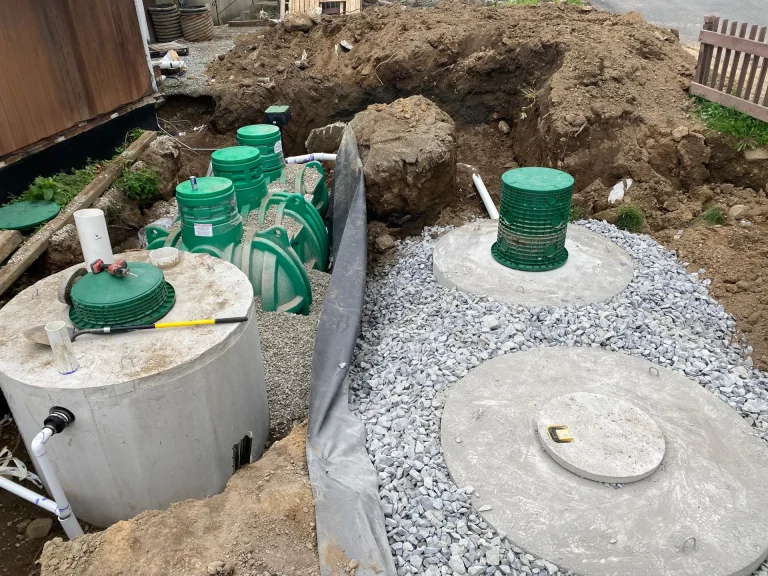
These are not glamorous problems, but they matter. When found early, many of them are straightforward to correct. When overlooked, they create the conditions for broader failure.
This is where inspections prove their value. A homeowner standing over an access lid cannot reliably judge sludge levels, outlet condition, or the health of internal tank components. A trained technician can. More importantly, they can track change over time. A tank that needed pumping every five years but suddenly needs it every three may signal higher occupancy, water waste, or leakage from plumbing fixtures. A technician who sees the pattern can recommend a practical adjustment before the system is stressed.
A careful service record also helps when a home is sold. Buyers and inspectors tend to view documented septic services favorably because they show the system was not ignored. That does not guarantee perfection, but it reduces uncertainty, and uncertainty is expensive in real estate.
Water use habits are part of prevention
Not every septic problem starts underground. Quite a few begin with what happens in the home. A system can only handle so much hydraulic load. If large volumes of water hit the tank and drain field in short bursts, even a structurally sound system can struggle.
This is one reason reputable septic services often include homeowner education. If a family does six loads of laundry in one afternoon, takes long showers back-to-back, and has a leaking toilet running for weeks, the drain field is absorbing far more water than it should. That sustained overload can shorten the life of the system.
The same goes for what is flushed or drained. Wipes, paper towels, grease, coffee grounds, hygiene products, and harsh chemicals all increase stress. Some break down slowly. Others do not break down at all. Many people are surprised to learn that "flushable" on packaging does not mean "safe for septic systems."
A septic professional who asks about household habits is not being nosy. They are trying to identify the everyday practices that make system failure more likely.
Weather, soil, and site conditions change the risk
Septic systems do not operate in a vacuum. They are affected by rainfall, groundwater levels, soil type, and changes to the property. A system that worked fine for years can develop problems after the site around it changes.
Heavy rain is a common trigger. If the drain field area becomes saturated from weather, the soil cannot accept wastewater efficiently. Backups become more likely, especially if the tank is already overdue for pumping or if there is existing clogging in the field. Likewise, vehicles driven over the system can compact soil or damage buried components. Tree roots can invade lines. New patios, sheds, or landscaping can interfere with access or alter drainage patterns.
These factors are easy to miss because they do not feel directly related to plumbing. Yet they often show up during septic service calls. A technician may notice standing water near the field, root intrusion near the distribution line, or signs that runoff from a slope is draining into the wrong area.
Preventive service is valuable partly because it https://orancenqtm.gumroad.com/p/how-septic-services-support-a-healthier-home-environment creates a recurring opportunity to reassess the property itself, not just the tank contents.
The warning signs homeowners should never ignore
Certain symptoms deserve immediate attention because they often point to a system under stress. Waiting rarely improves the situation.
- Drains that become slow across multiple fixtures, especially on the lowest floor
- Gurgling sounds in plumbing after water use
- Sewage odors near the tank, yard, or inside the house
- Wet, spongy, or unusually green patches above the drain field
- Wastewater backing up into tubs, showers, or floor drains
One symptom by itself does not always mean total system failure. A single slow sink may just be a local clog. The pattern matters. When several signs appear together, septic services should move to the top of the to-do list.
The biggest mistake homeowners make at this stage is treating the problem as temporary. They may cut back on water for a few days and assume things have improved. Sometimes that only delays the inevitable until the next burst of heavy use.
The importance of service intervals that match the household
There is no one-size-fits-all pumping schedule. The right interval depends on tank size, household occupancy, water use habits, and whether the home has a garbage disposal. A small household in a large tank may go longer between service visits. A busy family with frequent guests may need more frequent pumping.
That is why generic advice can be misleading. Saying every three years or every five years may be directionally helpful, but it is not a substitute for actual inspection data. The tank tells the truth. Sludge and scum levels, filter condition, and signs of carryover reveal whether the current interval is working.
Experienced septic providers often recommend adjusting the schedule after a few service cycles. That approach is more useful than guessing. It also keeps maintenance from becoming excessive on one property and inadequate on another.
This is especially important for vacation homes, short-term rentals, and multigenerational households, where occupancy can fluctuate sharply. A system that is fine for months may be overwhelmed during peak periods if the service plan does not reflect real use.
Choosing septic services that prevent repairs, not just react to them
Not all service providers work with the same level of care. Some simply pump the tank and leave. Others inspect components, explain findings clearly, document the visit, and point out conditions that could create future costs.
Homeowners are usually better served by the second type. Preventive value comes from observation and judgment as much as equipment. A provider who notices a missing lid fastener, a deteriorating baffle, or evidence of grease overload may save the owner from a much larger repair later.
A few questions can reveal whether a company takes prevention seriously:
- Do they inspect tank components during pumping
- Will they check and clean the effluent filter if present
- Do they document findings and recommend service intervals based on use
- Can they explain what signs of drain field stress to watch for
- Are they familiar with local permit and repair requirements if a problem is found
Those answers matter because the goal is not merely to empty a tank. The goal is to preserve the life of the entire system.
What homeowners can do between service visits
Regular professional care is essential, but day-to-day choices still make a difference. Most septic systems benefit from a few consistent habits. Spread out water use when possible. Fix leaks promptly. Keep grease and nondegradable items out of the drains. Protect the tank and field from vehicle traffic. Know where the system is located so landscaping or construction does not interfere with it.
It also helps to keep records. Dates of pumping, inspection notes, repairs, and a basic site sketch can be useful years later. When symptoms appear, those records give technicians a starting point. They can also support resale discussions and reduce uncertainty if the home changes hands.
The broader point is that septic ownership works best when it is treated like mechanical stewardship rather than crisis management. The system does not demand constant attention, but it does reward informed attention.
Preventive care protects more than the budget
Cost is often the strongest motivator, and for good reason. Replacing a failed system is expensive. But septic maintenance also protects daily livability, property value, and health. Few household failures are more disruptive than wastewater backing up where a family lives. Few yard problems are more frustrating than a drain field that stays wet and unusable. And few inspection issues create more anxiety during a sale than an undocumented or failing septic system.
Routine septic services reduce those risks because they bring hidden problems into view while options still exist. They turn a buried system from a mystery into something manageable. They give homeowners the chance to address a worn part, overloaded tank, or stressed field before the repair escalates.
That is the real role of septic service. It is not just maintenance for maintenance's sake. It is a practical way to extend the life of an essential system, avoid preventable damage, and keep a small recurring expense from becoming a major unplanned one. When people say a septic system failed without warning, there usually were warnings. Professional service is often what makes those warnings visible in time to matter.
Excavating New Jersey LLC
Address: 406 County Rd 565, Wantage, NJ 07461
Phone number: +19737914284
FAQ About Septic Services
What is the average cost to get a septic tank emptied?
Emptying a septic tank costs between $290 and $560 on average, with most homeowners paying about $420. Prices vary based on tank size.
What is septic service?
Septic service inspects, pumps, cleans, and maintains a septic tank. A septic tank is a large, underground container that collects and treats wastewater from your home. Over time, sludge, scum, and other debris, like hair and solids, can build up in your tank and clog your drain field.
How often should you have a septic tank serviced?
A standard septic tank should be inspected every 1 to 3 years and pumped every 3 to 5 years. However, the exact schedule depends on your tank's capacity, household size, and daily water usage.