Septic Services Wantage NJ: Maintenance Tips for a Healthier System
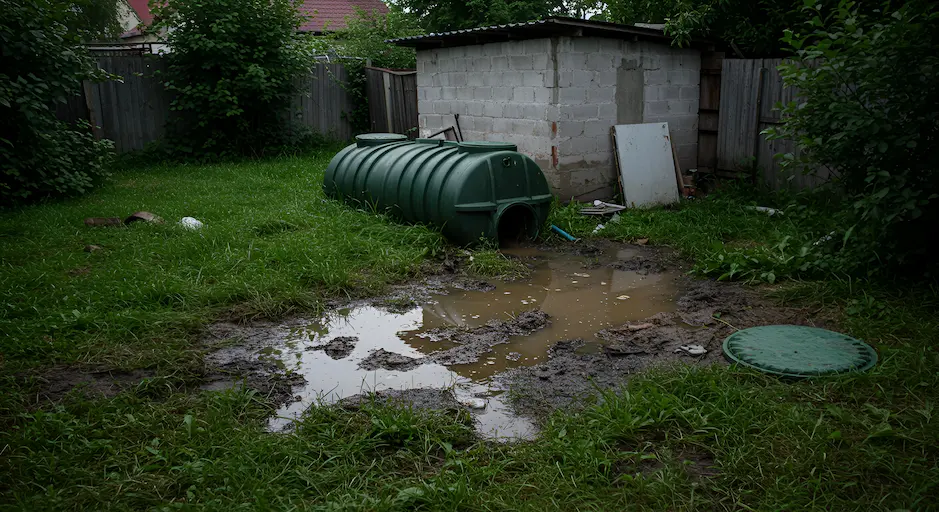
Homes in Wantage often come with a kind of independence that people value. More space between neighbors, private wells, long driveways, and a septic system quietly handling wastewater without much fanfare. That last part is usually what gets homeowners into trouble. A septic system works so reliably, for so long, that it is easy to forget it needs regular attention until a slow drain, a soggy patch in the yard, or an unwelcome odor forces the issue.
In Sussex County, I have seen the same pattern over and over. A homeowner moves in, assumes the tank was pumped recently, uses the house normally for several years, then gets hit with a backup that could have been prevented. Most https://penzu.com/p/19ea94592d92babd septic failures are not dramatic at first. They start with neglect, poor water habits, or small warning signs that are written off as minor plumbing quirks. By the time the yard is wet or the basement drain is gurgling, the fix is usually more expensive and more disruptive.
Good septic care is not complicated, but it does require consistency. If you are looking into septic services Wantage NJ homeowners rely on, it helps to understand what your system needs between service visits. A little maintenance, done on time, can add years to the life of the tank and drain field.
Why septic systems in Wantage need a local mindset
Septic care is always local. The advice that works for a suburban lot with sandy soil and municipal water does not always fit a rural property in northern New Jersey. Wantage presents a specific mix of conditions that matter. Winters can be hard. Spring can bring heavy rain and saturated ground. Many properties are large, but that does not necessarily mean the drain field has unlimited room to recover from misuse. Add older homes, remodels, seasonal occupancy changes, and the fact that many residents also rely on a private well, and the picture gets more nuanced.
A septic system does not just process waste. It depends on a balance between what goes into the tank, how much water enters the system, how solids settle, and how the drain field disperses treated effluent into the soil. If any one piece is stressed, the rest of the system feels it.
That is one reason experienced septic services are so valuable. A pumper who knows the local area is not just emptying a tank. They are often noticing clues that a homeowner would miss, such as unusually high liquid levels, signs of infiltration, baffle wear, root intrusion, or evidence that the drain field is not dispersing the way it should.
What a healthy septic system is supposed to do
It helps to know what “normal” looks like. Wastewater from toilets, sinks, showers, and appliances flows into the septic tank. Inside the tank, solids sink to the bottom and form sludge. Oils and lighter material float to the top and form scum. The relatively clearer liquid in the middle moves on to the drain field, where soil treatment finishes the job.
That process depends on time and separation. If the tank is too full of solids because it has not been pumped, those solids can move downstream into the drain field. Once that happens, the drain field can clog, and that is where repairs get serious. Replacing or restoring a failed drain field is far costlier than routine pumping.
A healthy system also depends on bacteria, but this part is often oversimplified. You do not need miracle additives or aggressive chemical treatments sold with big promises. A normal household produces the bacteria a septic tank needs. The real goal is not to “supercharge” the tank. It is to avoid disrupting its natural process.
The pumping schedule most homeowners should follow
The question people ask most is simple: how often should a septic tank be pumped?
The honest answer depends on tank size, household size, water usage, and whether the home has a garbage disposal. For many households, every three to five years is a reasonable range. Some homes need service sooner. A small tank serving a family of five may need attention closer to the three-year mark, sometimes earlier. A larger tank serving two adults with modest water use may stretch longer, though I would still be cautious about letting too much time pass without an inspection.
A lot of trouble starts when homeowners treat pumping as optional until something smells bad. By then, solids may already be crowding the outlet. If you do not know your septic history, schedule an inspection and ask the provider to document the tank size, condition, and recommended interval. Keep that paperwork. It becomes useful not just for maintenance, but also when selling the home.
When calling septic services Wantage NJ property owners often ask for a quote based on pumping alone. That is understandable, but the best service visit includes observation. The crew should be checking tank levels, looking at baffles if accessible, and noting anything abnormal. A tank pump-out is not just a clean-out. It is a chance to catch problems early.
Water use is where many systems quietly lose ground
People tend to think septic trouble comes from what gets flushed. That matters, but daily water volume is just as important. A septic system can only handle so much flow at once. If too much water enters the tank too quickly, solids do not separate as well, and the drain field can become overloaded.
This is especially common in homes where laundry is done in marathon sessions or when guests stay for holidays and weekends. One load of laundry after another, long showers, dishwasher cycles, and extra toilet use can stress even a decent system. It may not fail overnight, but repeated hydraulic overload shortens its margin for recovery.
Spreading out water use works better than trying to “save” the system with occasional caution. If you have several loads of laundry, do them over a couple of days instead of all in one afternoon. Fix leaks quickly. A running toilet can send hundreds of gallons a day through the system without drawing much attention. That kind of steady overload can be surprisingly destructive.
I once saw a case where the homeowner was convinced the tank had failed, but the main culprit was a faulty flapper in a hall bathroom no one used often. The toilet kept running quietly, and the drain field stayed saturated for weeks. The septic contractor found no catastrophic defect, just a system being drowned one slow gallon at a time.
What should never go into the system
People often hear “flushable” and assume the septic tank agrees. It usually does not. Septic systems are far less forgiving than municipal sewer systems, and even sewers are not thrilled with many of the products marketed for easy disposal.
The simplest rule is this: if it is not human waste or toilet paper designed to break down, keep it out of the tank. Wipes are a repeat offender. So are paper towels, hygiene products, cotton swabs, grease, and leftover food scraps. Even products that eventually break down can do damage long before they do.
Here are the items that cause the most preventable problems:
- “Flushable” wipes and personal care wipes
- Grease, fats, and cooking oil poured down drains
- Feminine hygiene products, diapers, and paper towels
- Harsh solvents, paint residue, and strong chemical cleaners
- Excess food waste from garbage disposals
Garbage disposals deserve special mention. They add solids to the tank, and that means more frequent pumping. Some homes use them without obvious issues for years, but the trade-off is real. If you rely heavily on a disposal, your septic system is working harder than a comparable home that scrapes plates into the trash or compost.
The drain field is not spare yard space
When homeowners picture their septic system, they usually think of the tank. In practice, the drain field is often the more fragile and expensive part. Once it is damaged, repairs become far more involved.
The drain field needs unsaturated soil, open pores, and room for treated wastewater to move through naturally. Parking vehicles over it compacts the soil and can damage buried lines. Building structures over it limits access and alters drainage. Even seemingly harmless landscaping choices can create problems if roots invade pipes or if added fill changes how water moves across the site.
In Wantage, seasonal weather makes this even more important. During wet stretches, the soil may already be near capacity. If roof runoff, sump discharge, or driveway drainage is directed toward the drain field, the system loses its ability to absorb normal household wastewater.
A healthy drain field should be protected almost like a reserved area. It is not the place for heavy equipment, repeated traffic, or ambitious landscaping plans.
Warning signs that deserve attention right away
Some septic failures arrive with no subtlety, but most offer warnings first. The problem is that homeowners often wait too long, hoping the symptoms will disappear. Occasionally they do, at least temporarily. That does not mean the system is fine.
Pay attention if you notice any of the following:
- Drains that suddenly slow down across multiple fixtures
- Gurgling sounds in plumbing after flushing or draining water
- Sewage odors inside or near the tank or drain field area
- Wet, spongy, or unusually green patches over the field
- Backup at the lowest drain in the house, often the basement level
The key is to distinguish between a simple plumbing clog and a system-wide issue. One slow sink may be a local blockage. Multiple sluggish fixtures, especially combined with odors or outdoor wet spots, point to something larger. That is the time to call septic services, not to keep trying stronger drain chemicals. Chemical drain openers can upset tank biology and damage plumbing components without fixing the real cause.
Seasonal habits that matter more than people think
Septic systems do not behave the same way year-round. Winter in Wantage can freeze shallow components, especially in systems that are already vulnerable because of low use, compacted soil, or poor insulation from snow cover. A vacation home or a house with inconsistent occupancy can be at greater risk because warm wastewater is not moving through regularly.
Frozen septic lines are miserable to deal with. Prevention usually comes down to good soil cover, avoiding compaction, and fixing leaks before winter saturates the area around the pipes. Driving over the system in cold weather is particularly unhelpful because compacted snow transfers cold deeper into the ground.
Spring brings its own issues. Saturated soil means the drain field has less capacity just when households often increase water use again. If you notice slow drains after snowmelt or during a rainy spell, do not assume it is temporary. Sometimes it is, but recurring spring trouble can indicate a drain field that is losing performance.
Summer tends to reveal occupancy stress. Visiting family, outdoor cleanup, extra laundry, and children home from school all raise water use. Fall is a good time for inspections because it lets you address concerns before frozen ground and holiday demand.
Additives, treatments, and the promises that usually disappoint
This is one area where homeowners are often sold more than they need. The market is full of septic additives, enzyme packets, bacterial boosters, and treatments claiming to restore failing systems or eliminate pumping. Some are harmless. Some are useless. A few can be counterproductive.
A sound septic tank does not need routine miracle additives to function. It needs appropriate use, regular pumping, and a protected drain field. If a product claims you can avoid pumping indefinitely, be skeptical. Solids do not vanish because a label says they will. At best, some additives change how solids behave. At worst, they may stir material into suspension and send more of it toward the drain field.
There are niche cases where a contractor may recommend a targeted treatment as part of a broader strategy, but that is different from buying a bottle at the hardware store and expecting it to solve structural or maintenance problems. If a system is backing up, ponding, or showing signs of field failure, no additive is likely to replace proper diagnosis.
Maintenance records matter more than memory
Homeowners often rely on rough recollection. “I think it was pumped a few years ago” is common. That is not enough. Septic maintenance is one of those home systems where recordkeeping pays off in a very practical way.
Keep a folder with the pump date, tank size, service company, notes from inspections, and any repairs or modifications. If the provider sketches the location of the tank and field, save that too. Future service is easier when no one has to spend time guessing where lids, risers, or lines are located.
This becomes even more important when homes change hands. Buyers ask about septic history for good reason. A clear maintenance record signals responsible ownership. It also reduces the odds of unpleasant surprises during inspection or shortly after closing.
When “pump it and hope” is not enough
Pumping is essential, but it does not solve every issue. Sometimes homeowners call for a pump-out because drains are slow, the tank gets emptied, and the problem returns within days or weeks. That usually means the tank itself was not the whole problem.
It could be a clogged outlet baffle, a blocked line between the house and the tank, root intrusion, a distribution issue, or a drain field that is no longer dispersing properly. This is where experience matters. Good septic services do more than respond to the immediate symptom. They look for the reason the symptom developed.
That distinction matters because repeated emergency pumping can become a costly habit that delays the real repair. If a drain field is failing, routine pumping may provide temporary relief, but it will not restore long-term function. The sooner that is identified, the more options a homeowner may have.
Practical habits that make a noticeable difference
Septic maintenance does not need to be obsessive. It needs to be steady. The homeowners who avoid major issues usually do a handful of basic things consistently, and those simple habits compound over time.
Start by treating water use as a daily management issue, not just a utility bill issue. Spread laundry out, fix leaks quickly, and be mindful during high-occupancy periods. Next, be disciplined about what enters the system. Many backups trace back to wipes, grease, or a steady stream of solids the tank was never meant to process. Finally, protect the yard area over the tank and field. Keep traffic off it, keep drainage away from it, and think carefully before planting trees nearby.
If you want a simple homeowner checklist, these are the best places to focus:
- Pump and inspect the tank on a schedule based on actual use
- Repair dripping faucets and running toilets promptly
- Keep wipes, grease, and non-biodegradable items out of drains
- Direct roof and surface runoff away from the drain field
- Maintain clear service records with dates and observations
Those five steps are not glamorous, but they prevent a remarkable number of service calls.
Choosing the right provider in Wantage
Not every septic company approaches service the same way. Some are efficient and thorough. Others treat the visit like a quick pump-and-go. For homeowners, the difference shows up later.
Look for a provider that explains what they saw, not just what they did. You want someone who can tell you whether levels looked normal, whether baffles were intact, whether there are signs of root intrusion or infiltration, and whether the pumping interval still makes sense for your household. Good communication is part of good maintenance.
Local familiarity matters too. A company that regularly handles septic services Wantage NJ residents need will usually have a better feel for common lot conditions, older system layouts, seasonal patterns, and the practical realities of rural properties. That does not guarantee perfection, but it often means faster recognition of patterns that affect system health.
It is also worth asking whether they recommend risers if your system requires extensive digging each time it is serviced. Risers can make future access easier and reduce labor during routine maintenance. That is a quality-of-life improvement for the homeowner and a practical one for the service crew.
The connection between septic care and well water protection
Because many homes in Wantage use both septic systems and private wells, maintenance has a broader purpose than convenience. A failing septic system is not just a plumbing problem. It can become a site problem, and in some circumstances a water quality concern.
That does not mean every neglected tank immediately threatens a well. Site conditions, distances, soil characteristics, and system design all matter. Still, the basic principle is clear. Proper treatment and dispersal protect both the property and the surrounding environment. Keeping a septic system healthy is part of responsible rural homeownership.
This is another reason I tend to favor conservative maintenance rather than waiting for obvious failure. By the time sewage reaches the surface or wastewater starts backing up, the system has usually been under stress for a while. Early service is cleaner, cheaper, and easier on the property.
A healthier system is usually a quieter one
The best septic systems are the ones homeowners barely think about because they are maintained before trouble starts. That quiet reliability is not luck. It comes from pumping on time, using water wisely, protecting the drain field, and calling for help when early warning signs appear.
Septic services are not only for emergencies. The most effective service calls happen when the system is still functioning and the goal is to keep it that way. For Wantage homeowners, that approach makes practical sense. It avoids bigger repairs, preserves the life of the system, and reduces the odds that an ordinary week turns into an expensive mess.
If your maintenance history is vague, or if it has been several years since the last pump-out, now is the time to reset the schedule. A well-kept septic system does not ask for much, but it does ask not to be ignored.
Excavating New Jersey LLC
Address: 406 County Rd 565, Wantage, NJ 07461
Phone number: +19737914284
FAQ About Septic Services Wantage NJ
What is the average cost to get a septic tank emptied?
Emptying a septic tank costs between $290 and $560 on average, with most homeowners paying about $420. Prices vary based on tank size.
What is septic service?
Septic service inspects, pumps, cleans, and maintains a septic tank. A septic tank is a large, underground container that collects and treats wastewater from your home. Over time, sludge, scum, and other debris, like hair and solids, can build up in your tank and clog your drain field.
How often should you have a septic tank serviced?
A standard septic tank should be inspected every 1 to 3 years and pumped every 3 to 5 years. However, the exact schedule depends on your tank's capacity, household size, and daily water usage.