A Simple Guide to Norweco Singulair Green Maintenance and Service
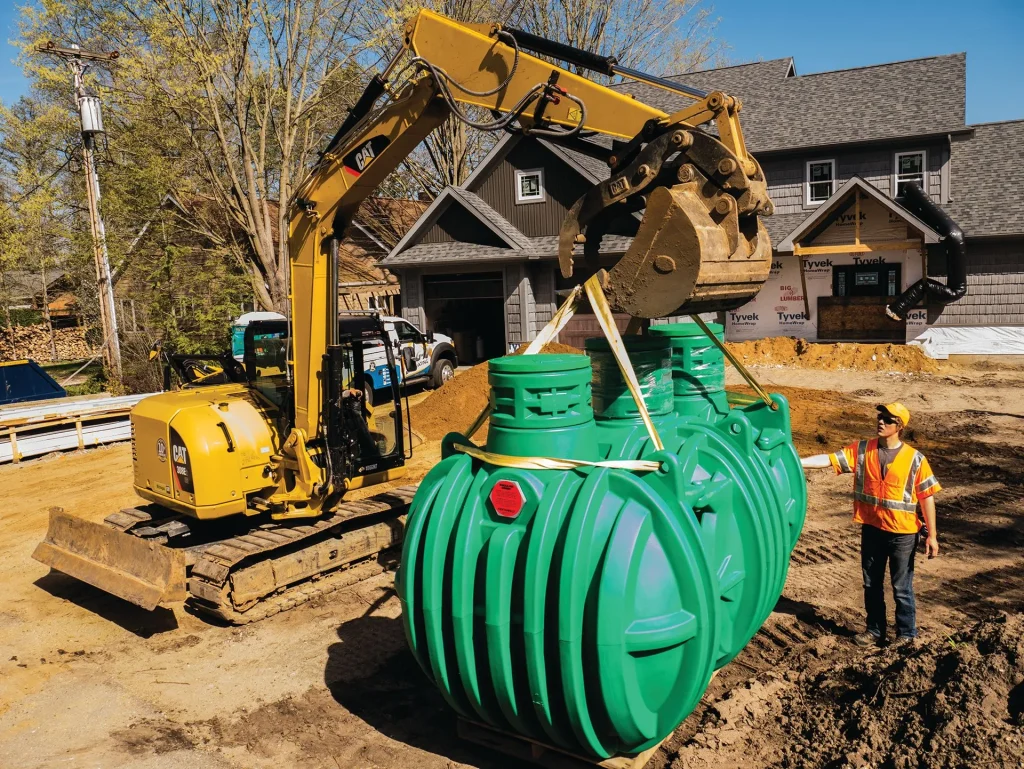
A Norweco Singulair Green system is not a septic tank in the old, passive sense. It is a small treatment plant that lives in your yard, and that difference matters. When homeowners run into trouble with one, it is usually not because the equipment is fragile. It is because people assume it behaves like a conventional tank that can be ignored for years at a time.
That assumption gets expensive fast.
The Norweco Singulair Green line is designed to treat wastewater with a series of chambers and mechanical or electrical components that help move oxygen and support biological treatment. When it is operating as intended, the system can produce a high-quality effluent and do it with a fairly compact footprint. When maintenance slips, performance can drift gradually and then fail all at once. I have seen systems go from “seems fine” to surfacing water, persistent alarms, or foul odors in a surprisingly short window, especially after heavy loading, power issues, or long periods without service.
The good news is that routine care is not mysterious. It just needs to be done consistently, with a clear understanding of what the unit is trying to do and what can interfere with it.
What makes the Singulair Green different
A standard septic system relies heavily on time, gravity, and soil. A Norweco Singulair Green system adds active treatment. Depending on the model and site setup, that can include aeration, clarification, recirculation, disinfection options, control panels, alarms, and discharge components. The exact layout varies, which is why the owner’s manual and the installer’s documentation matter so much. Two units on neighboring properties may share a product family name and still have different service needs.
The practical takeaway is simple. This is equipment, not just buried concrete or plastic. Equipment needs observation. It needs cleaning in the right places, sludge management at the right intervals, and occasional replacement of wear items before they become failure points.
Homeowners often ask how often service is really necessary. There is no honest one-size-fits-all answer. Household size, water use, garbage disposal habits, chemical use, power reliability, and local climate all influence the schedule. A vacation cabin that sees light seasonal use behaves differently from a full-time home with five occupants, frequent laundry, and a whirlpool tub. A system serving two careful adults may go much longer between pumping than one serving a family that sends grease, wipes, and bleach-heavy wastewater through it.
The maintenance mindset that saves money
The best owners treat maintenance as performance protection, not as a repair bill waiting to happen. That shift in mindset changes behavior. Instead of waiting for an alarm, they look for subtle changes. Instead of pouring anything down the drain and trusting the system to cope, they understand that biological treatment depends on living microorganisms and stable conditions.
A healthy treatment unit usually gives you very little drama. There should not be strong sewage odors around the tank, around the aeration area, or at the discharge point. Lids should remain secure and dry around the edges. The service provider should be able to explain what they observed during inspection, how much sludge has accumulated, and whether the aeration or recirculation components are operating normally.
What experienced operators learn quickly is that neglect usually shows up in patterns. The homeowner starts hearing a different sound from the blower or aerator. The control panel alarm trips after storms. The grass above one end of the system stays greener than the rest of the yard even during dry spells. Toilets begin to gurgle, not constantly, but enough to feel off. None of these signs guarantees a major failure, but together they tell a story.
How the treatment process affects service needs
To maintain a Norweco Singulair Green system well, it helps to think through the wastewater path. Solids settle or separate in early treatment stages. Biological treatment happens where oxygen and microorganisms can work effectively. Clarification allows solids to settle out again. Depending on the installation, treated water may then move to further disinfection, drip dispersal, irrigation, or another approved discharge method.
Each stage creates its own maintenance priorities.
Solids accumulation is normal. If sludge and scum are allowed norweco singulair green to build too far, they can carry over into downstream chambers and reduce treatment quality. Aeration components support the biology, but they can foul, wear, or lose output over time. Effluent filters, if present in the system configuration, can clog and restrict flow. Pumps and floats can become coated with grease or debris. Electrical controls can be knocked out by moisture intrusion, insects, corrosion, or storm-related power fluctuations.
That is why proper service is not just “pump it when it smells bad.” Pumping matters, but it is only one part of the picture.
What routine service usually includes
A competent service visit should feel methodical. The technician should inspect the tank condition, liquid levels, sludge and scum accumulation, aeration performance, electrical controls, alarms, and any discharge or dispersal components that are part of the installation. If the system has filters, those should be checked and cleaned as needed. If it has a blower, aspirator, or mechanical aeration element, the technician should verify that it is functioning and not drawing abnormal current or making distress noise.
In many areas, service intervals are set by local code, permit conditions, or maintenance agreements. Those requirements take priority. Where local rules allow flexibility, many owners do well with scheduled professional checks one to three times per year, depending on use intensity and system complexity. The mistake is assuming that because one annual visit worked for a lightly used home, it will also suit a large family home.
Pumping intervals vary even more. Some households may need pumping every few years, while others can go longer if sludge accumulation remains within acceptable limits. A responsible technician does not guess. They measure or evaluate solids depth and make a recommendation based on the actual condition of the unit.
The homeowner’s role between service visits
Homeowners do not need to become wastewater specialists, but they do need to be attentive stewards. Most preventable service calls begin indoors, not at the tank. Excessive water use, harsh chemicals, grease, wipes, and ignored alarms all add stress.
Here is the short version of smart day-to-day care:
- Spread laundry loads across the week instead of stacking them into one afternoon.
- Keep grease, cooking oil, wipes, feminine products, and paper towels out of the drains.
- Use cleaners in moderation, especially bleach-heavy or antibacterial products.
- Protect the system from roof drains, sump pumps, and surface runoff.
- Call for service promptly if an alarm sounds or odors appear.
That list looks basic because the basics do most of the heavy lifting. One household I dealt with had repeated performance issues that seemed mechanical at first. The real problem turned out to be Saturday overload. Eight or nine laundry loads, long showers after youth sports, and a garbage disposal full of food waste were all hitting the system within a few hours. The fix was not exotic. They adjusted habits, reduced shock loading, and the unit stabilized.
Alarms, odors, and other warning signs
A Norweco Singulair Green unit often gives warning before it gives failure. The challenge is that homeowners may not know which signals are urgent and which are simply reminders that routine service is due.
Watch for these common red flags:
- A control panel alarm, whether constant or intermittent
- Sewage or sulfur-like odor near the tank, vent, or discharge area
- Wet ground, unusually lush vegetation, or standing water around the system
- Slow drains, gurgling fixtures, or sewage backup inside the home
- New or worsening noise from blowers, pumps, or control equipment
An alarm deserves prompt attention even if the plumbing still seems normal. In the field, I have seen alarms ignored for weeks because the sinks still drained and the toilets still flushed. By the time the owner called, a relatively inexpensive component failure had cascaded into poor treatment, solids carryover, and a much larger service bill.
Odors need interpretation. A brief smell after the lid has been opened for service is not the same thing as a persistent odor hanging over the yard. Wind and venting can also play tricks. What matters is a pattern. If the same foul odor is present repeatedly, especially near treatment or discharge areas, have it checked.
Why pumping is important, and why pumping alone is not enough
Pumping gets talked about more than any other maintenance item because it is visible, billable, and easy to understand. Solids go in, solids build up, solids must come out. That part is true. But owners sometimes assume that if the tank has been pumped, the system has been “serviced.” That is not always true.
A pump-out removes accumulated material from designated compartments. It does not automatically verify blower output, inspect floats, test alarms, clean filters, or confirm that downstream treatment is functioning properly. In fact, a poor pump-out can create problems if baffles or internal components are damaged, lids are not resealed correctly, or the wrong chambers are neglected.
norweco singulair greenThere is also a timing issue. Pumping too late is obviously risky, but pumping more often than necessary without evaluating the whole system does not deliver much value. The goal is neither neglect nor blind over-servicing. The goal is informed maintenance.
If you are scheduling a pump-out, ask the provider exactly what is included. A good visit should answer practical questions. How much sludge had accumulated? Were the compartments structurally sound? Were any internal parts fouled or damaged? Was there evidence of hydraulic overload, grease carryover, or root intrusion? A homeowner who asks those questions tends to get better long-term results because the conversation shifts from transaction to stewardship.
Mechanical parts that deserve attention
The “active” side of the Norweco Singulair Green system is where a lot of service value lives. Aerators, blowers, motors, pumps, and control components do not all fail at once, and they do not all fail dramatically. Some lose efficiency slowly. That can be harder to catch than a dead motor.
A blower that is still running but moving less air than it should can weaken biological treatment. A float switch that sticks only occasionally can produce intermittent alarms that come and go with water level. A dirty filter can starve a component of airflow or reduce hydraulic performance. Corrosion inside a control panel may begin with a tiny moisture issue that no one sees until a storm exposes it.
This is why I am wary of the phrase “it’s still working.” Homeowners say it with relief, but technicians hear a warning. Working and working properly are not the same. If a service provider mentions declining performance, unusual amperage draw, or wear that is not yet critical, that is often the cheapest moment to act.
Seasonal realities that change maintenance needs
Weather affects these systems more than many owners realize. In wet seasons, groundwater and surface runoff can stress tanks, risers, and dispersal areas if the site drainage is poor. In freezing climates, shallow piping, exposed components, or sparse winter occupancy can create additional challenges. During summer, higher occupancy and outdoor entertaining often mean a sharp increase in water use.
Power outages deserve special mention. A brief outage may not create major trouble, but repeated or prolonged outages can interrupt treatment and trigger alarms. If your area sees frequent storms, surge protection and quick post-outage checks are worth discussing with your service company. I have seen systems survive years of ordinary use and then develop chronic control issues after one rough storm season.
Vacant homes are another edge case. People assume an empty house gives the unit a break. Sometimes it does. Sometimes a long period of low inflow changes the biological balance, allows seals to dry, or lets a minor mechanical issue go unnoticed until the house is reoccupied. Seasonal or second-home owners should ask their provider whether startup and shutdown visits make sense.
Service records are more useful than most homeowners think
A folder of maintenance records does more than satisfy curiosity. It helps identify trends. If filters clog more frequently than expected, there may be a usage problem or an upstream carryover issue. If sludge builds up faster than before, occupancy or water habits may have changed. If the same alarm condition appears every spring, site drainage may be part of the story.
Records also protect you when selling the property. Buyers and inspectors are understandably cautious around on-site wastewater systems. A clear maintenance history, with service dates and notes on parts replaced or pumping performed, can turn a nervous conversation into a routine one.
Keep the basics in one place: installation information if you have it, permit details, service dates, pumping dates, alarm events, parts replaced, and the contact information for the companies that have worked on the unit. It sounds mundane, but it saves time when a technician is trying to troubleshoot under pressure.
Choosing the right service provider
Not every septic contractor is equally comfortable with an advanced treatment unit. A general pump truck operator may be excellent at tank pumping and still not be the best person to diagnose a control issue or aeration problem on a Norweco Singulair Green system. That does not mean you need a specialist for every visit, but it does mean you should ask direct questions.
A good service provider should understand the model on site, know the local regulatory requirements, and be willing to explain what they are checking. They should not rely only on vague reassurance. “Looks okay” is not much of a maintenance report. “Sludge is still below the threshold for pumping, aeration appears normal, the alarm circuit tested properly, and the discharge area showed no visible surfacing” is a real update.
Price matters, of course, but the lowest price is often cheapest only on paper. A rushed visit that skips diagnostics can miss the very issue that turns into a larger bill three months later.
When a repair can wait, and when it should not
One of the hardest judgment calls for owners is deciding whether a service recommendation is urgent or optional. Not every worn component needs same-day replacement. On the other hand, some “small” issues have outsized consequences.
A cracked riser lid, for example, may look minor until rainwater infiltration alters tank levels or creates a safety problem. A blower making unusual noise may keep running for a while, but if it fails completely during a period of heavy use, treatment quality can fall off quickly. A clogged filter might seem like a nuisance until it contributes to backup risk.
The best approach is to ask the technician to frame the issue in terms of function, risk, and timeframe. What is the component doing now? What happens if it fails? Is the likely outcome inconvenience, reduced treatment, backup, or regulatory noncompliance? Is this a repair to make this week, this month, or before the next high-use season? Clear answers make decision-making much easier.
Common owner mistakes that shorten system life
Most system abuse is unintentional. People are busy, and wastewater treatment is out of sight. Still, a few patterns show up again and again.
Flushing wipes remains one of the most common avoidable problems, even when the package says “flushable.” Excess bleach and antibacterial cleaners can also upset treatment biology when used aggressively. Kitchen habits matter more than many people think, especially where garbage disposals are used heavily. Water softener discharge, hot tub draining, and sudden high-volume discharge can also complicate performance depending on the installation and local rules.
Then there is simple inattention. Alarms get silenced without service calls. Pumping recommendations get postponed for another year. Lids are buried under landscaping and become hard to access, which makes routine maintenance less likely. Vehicles cross areas they should not. Added soil changes drainage patterns. None of these decisions feels dramatic at the time. Together, they shorten service life.
A realistic rhythm for long-term care
The simplest way to think about long-term care is to build a rhythm. Have the unit inspected on a schedule that fits its use and local requirements. Pump based on observed solids, not guesswork. Respond quickly to alarms and odors. Keep records. Use water and household chemicals with some discipline. That approach is not glamorous, but it works.
Advanced treatment systems reward consistency. They are often very reliable when they are respected, and frustrating when they are treated like passive tanks that can be forgotten. The Norweco Singulair Green name carries the expectation of better treatment performance, but performance is always a partnership between equipment, service, and household behavior.
If you own one, the best maintenance plan is not complicated. Know what is installed on your property. Use qualified service people. Pay attention to the early signs. Handle small issues while they are still small. That is usually the difference between a system that quietly does its job for years and one that keeps reminding you, at the worst possible moments, that wastewater treatment is never really “set it and forget it.”
Excavating New Jersey LLC
406 County Rd 565, Wantage, NJ 07461, United States
+1 973-791-4284
FAQ About norweco singulair green
How much does a NORWECO septic system cost?
The installed cost depends on the selected unit, engineering, site access, excavation, electrical work, disposal-field design and required approvals. A tank-only price is not a complete installation quote. Ask Excavating New Jersey LLC for a site-specific, itemized estimate that also explains ongoing service costs.
How does a Norweco septic system work?
The Singulair Green uses pretreatment, aeration, clarification and filtration to treat domestic wastewater. In the aeration chamber, oxygen supports bacteria that break down organic material. The Bio-Kinetic unit provides further filtration and flow equalization. Final effluent disposal must follow the property's approved design and applicable requirements.
What is the average lifespan of a septic system?
There is no guaranteed lifespan for every system. Design, installation, soil conditions, wastewater loading and regular maintenance all matter, and mechanical parts may need replacement before the tank. For a Singulair Green system, follow the manufacturer's service schedule and have a qualified provider assess its condition and pumping needs.