A Closer Look at Norweco Singulair Green Technology in Wantage NJ

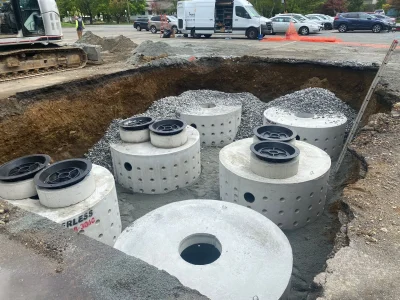
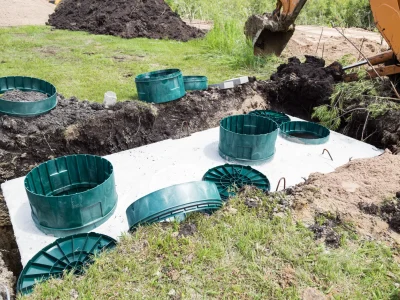
For homeowners in rural parts of northern New Jersey, wastewater treatment is not an abstract utility issue. It is a practical, ongoing part of owning property. When a house is not connected to a municipal sewer line, the septic system becomes one of the most important mechanical systems on the site, right alongside the well, the heating equipment, and the electrical service. In Wantage, where homes can sit on large lots and site conditions vary more than many people expect, the choice of wastewater system matters.
That is where the conversation around norweco singulair green Wantage NJ tends to come up. People hear the name from installers, engineers, inspectors, or neighbors. Sometimes they encounter it during new construction. Other times, the issue surfaces when an aging conventional septic system starts struggling, or when a property owner needs a solution that can meet site constraints a standard gravity system cannot easily handle.
The Norweco Singulair Green system belongs to a category of advanced onsite wastewater treatment systems designed to treat household wastewater more thoroughly than a basic septic tank alone. It is not a magic box, and it is not the right fit for every property. But in the right setting, it can solve real problems and offer a level of treatment that is hard to achieve with conventional equipment by itself.
Why systems like this matter in Wantage
Wantage is the kind of place where land use and wastewater treatment are closely connected. In more densely developed suburbs, most residents never think about treatment because it happens offsite at a municipal plant. In a township setting, that responsibility stays on the property. Every shower, load of laundry, dishwasher cycle, and toilet flush has to be managed on the lot.
That sounds straightforward until real site conditions enter the picture. Soil texture, slope, seasonal groundwater, available area for a disposal field, existing structures, driveways, wells, and property lines can all affect what kind of septic design is feasible. Even homes with plenty of acreage are not automatically simple. A large lot can still have poor soils in the wrong place, limited separation distances, or terrain that complicates a conventional design.
In that context, advanced treatment technology becomes less of a luxury and more of a useful tool. A system that produces cleaner effluent can improve the performance of downstream soil treatment, reduce stress on the disposal area, and help designers work within environmental and regulatory constraints. That is the practical appeal of the Norweco Singulair Green platform.
What the Singulair Green system actually is
At its core, the Singulair Green is an aerobic wastewater treatment system. A conventional septic tank works primarily through settling and anaerobic digestion. Solids sink, scum rises, and partially clarified wastewater flows out to a disposal area. That basic approach has worked for decades, but the quality of effluent leaving a standard tank is still relatively limited. The soil in the drainfield does a great deal of the final treatment work.
An aerobic treatment unit changes that equation by introducing oxygen and creating a more active biological treatment environment. In simple terms, the system encourages aerobic microorganisms to break down waste more completely before the water reaches the next stage. That usually means cleaner effluent leaving the treatment unit than what would come from a conventional septic tank alone.
Norweco’s Singulair line has been around for many years in different forms, and the Green model is part of that family of residential treatment systems. The broad idea is not new, but the value lies in the engineering, reliability, and how well the system is matched to the site and maintained over time.
People sometimes assume “advanced” means overly delicate or highly experimental. In practice, these units are designed for residential use and are not unusual in the onsite wastewater industry. The important point is that they require a different ownership mindset. A gravity septic tank is passive. An aerobic treatment system is active. It uses mechanical and electrical components, and it depends on regular service to keep performing as intended.
What makes it different from a basic septic setup
The biggest difference is treatment quality before discharge to the soil. A conventional system asks the drainfield to do a lot of work. An advanced aerobic system reduces the load reaching that field. In many cases, that can help the overall system perform better, especially on sites where the margin for error is small.
That does not mean the disposal field becomes optional. It does not. Even excellent treatment at the tank does not eliminate the need for proper final dispersal and soil treatment as required by design and regulation. But cleaner water entering the dispersal area is generally good for the life and function of the downstream components.
There is also an operational difference. A standard septic tank may go years with minimal attention beyond pumping at appropriate intervals. An aerobic unit asks for more engagement. It needs power. It needs norweco singulair green Wantage NJ inspections. It needs the homeowner to understand that flushing wipes, grease, harsh chemicals, or unusual loads can still cause trouble. That trade-off is worth emphasizing because some buyers hear “green technology” and assume lower involvement. The opposite is often true. Better treatment usually comes with more oversight.
Where it can make sense on a Wantage property
The phrase norweco singulair green Wantage NJ tends to be most relevant when a property has one or more site challenges. One common scenario is limited suitable area for a conventional system. Another is difficult soil conditions. Another is replacement work on an older lot where the original system was installed under standards that no longer apply.
A properly designed advanced treatment system can be useful when an engineer needs more flexibility in meeting performance goals. It can also be part of a solution when a home addition, bedroom count change, or renovation increases wastewater demand beyond what the existing system can comfortably support.
There are also cases where owners simply want a higher-treatment approach because they are investing in a long-term property and want to protect their land and groundwater as much as practical. That is not every homeowner’s priority, but it is a real consideration, especially in places where wells, streams, and neighboring properties are part of daily life.
One thing experience teaches quickly is that no product name, no matter how reputable, overrides site design. A high-quality treatment unit installed in the wrong configuration will still disappoint. The best results come when the designer, installer, service provider, and homeowner are all aligned on how the full system is supposed to function.
Performance depends on design, not just equipment
This is the part many homeowners do not hear clearly enough. They are often sold a system by brand recognition when what really determines success is the entire chain of decisions around it. Tank placement, pipe elevations, dosing arrangements, venting, effluent filtering, alarms, access risers, freeze protection, and dispersal field design all matter.
In a place like Wantage, climate also enters the discussion. Winters are real. That means shallow components, exposed piping, and neglected risers can create issues if the installation is sloppy or if traffic compacts snow over the wrong area and changes insulation patterns. Cold weather by itself does not make advanced systems impractical, but it raises the cost of poor planning.
Another factor is occupancy pattern. A full-time family living in a house year-round produces one kind of wastewater profile. A property with irregular use produces another. Aerobic systems generally prefer reasonably consistent loading because the biological process functions best when it is fed predictably. Long vacant stretches followed by heavy holiday usage can be harder on treatment performance than steady, moderate flow.
That does not make the system unsuitable for part-time use, but it does mean the design and maintenance plan should reflect how the property is actually used. In my experience, systems struggle less from the technology itself than from assumptions that never matched real household behavior.
What homeowners should expect day to day
If you are considering this technology, the honest question is not just “Does it work?” but “What is it like to live with?” That is the better filter.
A Norweco Singulair Green system should be mostly unobtrusive when installed correctly and maintained on schedule. You should not be smelling sewage. You should not be seeing wet spots or lush strips of unexplained grass over the disposal area. You should not be hearing constant alarms. The system should quietly handle ordinary household wastewater in the background.
What changes is your relationship to service. Instead of treating the septic system as invisible infrastructure, you have to think of it more like a piece of home equipment that deserves periodic professional attention. Pumps, aeration components, controls, and treatment zones need inspection. Sludge and scum levels still matter. Filters, if present, need care. Service contracts are common for a reason. They help catch small operational issues before they become expensive failures.
Homeowners who do well with these systems tend to be the ones who keep records, respond promptly to alarms, and do not use the plumbing like a trash can. Homeowners who struggle are often the ones who want advanced treatment performance with zero involvement. That mismatch rarely ends well.
Cost, value, and the part nobody likes to discuss
Advanced onsite systems usually cost more than a basic septic setup. That is true on installation, and it is true over the life of the system. There are more components, more design coordination, and more maintenance. Electricity use is part of the equation too, even if it is not usually the largest operating expense.
Still, cost should be viewed in context. If a conventional system is not feasible, then the real comparison is not between cheap and expensive. It is between building responsibly with an advanced system or facing severe limits on development, renovation, or use of the property. In that setting, the technology is not an upgrade for vanity. It is part of making the site workable.
There is also a false economy that shows up often in septic work. Owners focus heavily on the initial proposal and too little on long-term support. A lower installation price can become irrelevant very quickly if the contractor cuts corners on access, grading, controls, or startup, or if the owner ends up chasing intermittent service problems later. Good septic work is rarely the cheapest line item in a home project, but bad septic work is one of the most expensive mistakes to revisit.
For anyone researching norweco singulair green Wantage NJ, the smarter question is not “What does the unit cost?” in isolation. It is “What does the complete approved system cost, what service will it require, and what value does it provide on this particular lot?”
Maintenance is not optional
This deserves plain language. If you install an aerobic treatment system and then ignore it, you are setting money on fire.
Routine service matters because these systems rely on biological treatment and mechanical function working together. A minor failure in aeration, recirculation, controls, or sludge management can gradually reduce performance without producing obvious symptoms right away. By the time the signs appear at the surface, the problem may already involve the dispersal area, which is where repairs get painful.
A good service visit is not just a glance at norweco singulair green Wantage NJ an alarm panel. It should involve checking the mechanical operation, evaluating treatment conditions, looking at sludge accumulation, confirming that effluent is moving as intended, and noting whether household habits are creating stress on the system. Strong service technicians often catch clues homeowners miss, such as detergent overuse, softener backwash concerns, excess grease, or evidence of hydraulic surges from leaking fixtures.
One homeowner I spoke with years ago described advanced septic maintenance as “annoying until you realize what replacement costs.” That is about right. Nobody enjoys recurring service bills, but they are modest compared with rebuilding a failed disposal field or correcting years of neglected operation.
Common misunderstandings around “green” technology
The word “green” can create confusion because people hear it through a marketing lens. They imagine a system that runs forever, needs little attention, and somehow erases the environmental footprint of household wastewater. That is not realistic.
What green should mean in this context is improved treatment performance and, when properly designed, a reduced burden on the receiving soil environment compared with a less effective setup. That is meaningful. It is not trivial. But it does not exempt the homeowner from responsibility.
Cleaner effluent is only one part of environmental stewardship. Water use habits still matter. Maintenance still matters. Pumping solids before they migrate still matters. Protecting the disposal area from vehicle traffic and root intrusion still matters. Household chemicals still matter. A high-performing unit can be undermined by careless use just as easily as a conventional system can.
That is why I prefer to frame these systems not as miracle devices but as tools. Good tools reward proper use. Poor use wastes their advantages.
Questions worth asking before installation
If you are evaluating a system of this type in Wantage, the best conversations usually happen early, before permits, excavation, and scheduling pressure compress the decision-making process. You want to understand not just the brand name but the entire support structure around it.
Here are the questions that tend to separate a smooth project from a frustrating one:
- Who is designing the full system, and how much experience do they have with this specific treatment approach on similar lots?
- Who will install it, who will start it up, and who will service it after the contractor leaves?
- What are the expected maintenance intervals, operating costs, and owner responsibilities?
- How does the proposed disposal method pair with the treatment unit under the site’s soil and groundwater conditions?
- What warning signs should the homeowner watch for during the first year of operation?
Those questions sound basic, but they expose whether the proposal is thoughtful or generic. I have seen expensive systems sold with very little explanation of ownership expectations. That is unfair to the homeowner and hard on the equipment.
How this technology fits into real property decisions
For buyers, sellers, and long-term owners, wastewater treatment can influence far more than daily convenience. It can affect renovation plans, resale confidence, inspection outcomes, and even financing conversations in some transactions. A well-documented, professionally maintained advanced treatment system is generally easier to explain and defend than a mystery setup with missing records and vague service history.
If you are buying a property with a Norweco unit already in place, ask for maintenance documentation, permit records, as-built drawings if available, and contact information for the current service provider. Do not settle for “the system has always worked fine.” That phrase covers everything from excellent stewardship to total guesswork.
If you are a seller, organized records help. Prospective buyers are usually less nervous about specialized equipment when they can see clear evidence of proper care. If you are an owner planning additions or upgrades, involve a qualified septic professional early. A bedroom count increase or major remodel can change wastewater design assumptions, and it is much easier to plan around that in advance.
The local angle matters more than the brochure
The most useful insight about norweco singulair green Wantage NJ is that local execution matters at least as much as product reputation. A well-known manufacturer can provide solid equipment, but long-term performance depends on the people adapting that equipment to the realities of the site.
That includes understanding local permitting requirements, site limitations, maintenance logistics, weather, access, and homeowner habits. It also includes choosing professionals who will still answer the phone after installation. In onsite wastewater, support is part of the product whether anyone says so or not.
For Wantage homeowners, that means looking beyond a sales pitch. Ask how the system handles your actual conditions. Ask what service looks like in February, not just on a sunny day during installation. Ask what happens if the alarm goes off on a holiday weekend. Ask how often tanks need attention and what signs suggest a developing issue.
Those are the questions of someone planning to own property responsibly, and they usually lead to better outcomes than brand shopping alone.
A measured view of the system
The Norweco Singulair Green system has a clear place in the onsite wastewater world. It offers advanced treatment capability that can be genuinely valuable on challenging sites and for owners who want a robust, professionally managed solution. In Wantage, where site conditions and property layouts are not always simple, that can make it a strong option.
At the same time, it is not maintenance-free, not universally necessary, and not a substitute for good design. It works best when it is chosen for the right reasons, installed carefully, and supported over the long term. Homeowners who understand that tend to be satisfied. Homeowners who expect advanced technology to erase the need for attention usually learn otherwise.
If you are exploring norweco singulair green Wantage NJ, the smartest path is to treat it as part of a larger system decision, not just a product purchase. Look at the land, the permitting path, the service network, and your own tolerance for ongoing maintenance. When those pieces line up, the technology can do exactly what it is supposed to do, protect the property, support reliable wastewater treatment, and give the owner confidence that the system beneath the yard is working as hard as the rest of the house.
Excavating New Jersey LLC
406 County Rd 565
Wantage, NJ 07461, United States
Phone: +1 (973) 791-4284
FAQ About norweco singulair green Wantage NJ
How does a Norweco septic system work?
Singulair Green uses aerobic biological treatment in a polyethylene tank, followed by settling and filtration. The treatment unit is one part of a complete wastewater system; the site design also determines how treated effluent is dispersed.
How much does a Norweco septic system cost in NJ?
A useful estimate requires a property evaluation. Excavation access, soil conditions, engineering, electrical work, the disposal field, and restoration can affect the total. Ask Excavating New Jersey LLC for a written scope that distinguishes installation costs from ongoing service costs.
Are Norweco septic systems good?
Singulair Green is an established aerobic treatment option, but suitability depends on the property and proposed design. Compare the model's documented performance, maintenance needs, and total project scope with alternatives before deciding.